

Top 10 Things to Check Before Buying an Outdoor Barbecue Grill
2025-12-03
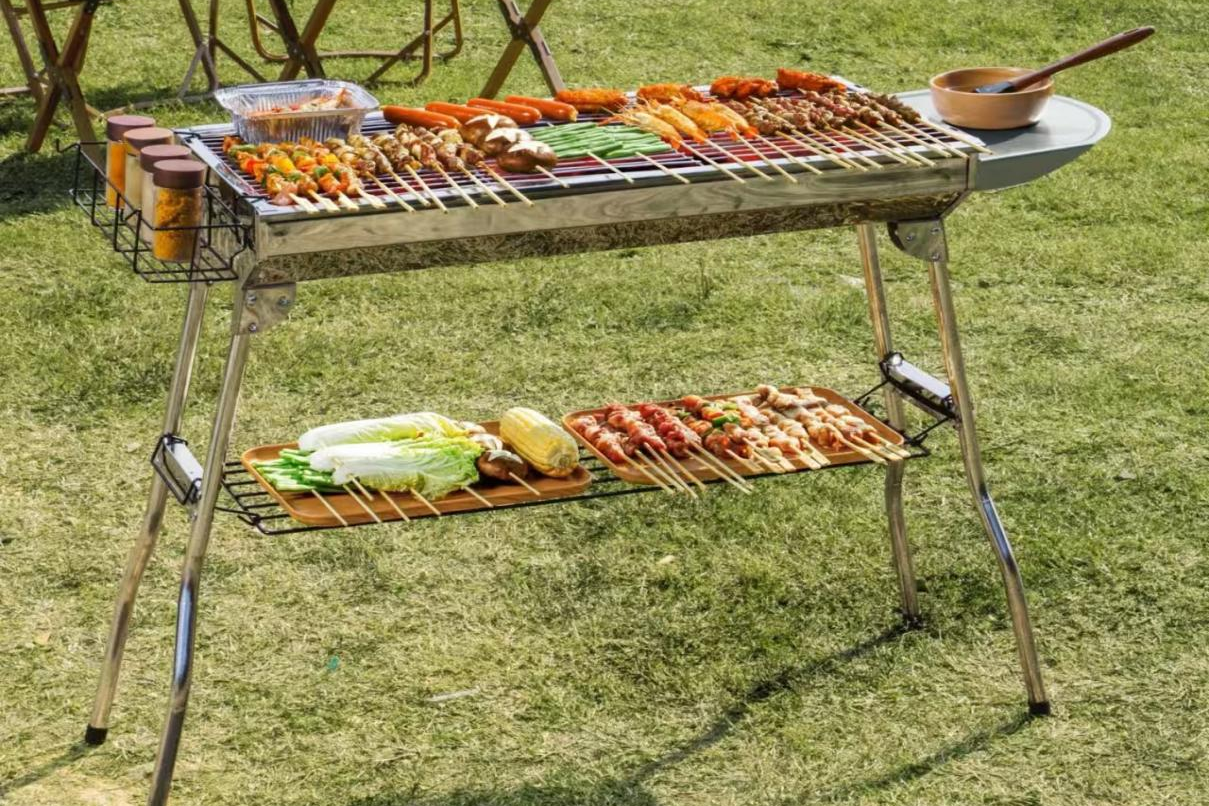
Buying a barbecue grill can be exciting, but it’s also easy to make mistakes if you’re not prepared. A good grill not only makes cooking easier but also ensures food is cooked safely and evenly. This guide highlights the top ten things to check before purchasing an outdoor barbecue grill, helping you make a smart choice that lasts for years.
1. Grill Type – Gas, Charcoal, or Electric
The first decision is choosing the grill type. Gas grills heat quickly and are convenient for everyday use. Charcoal grills provide rich smoky flavor but need more preparation. Electric grills are great for limited spaces or apartments but may not reach high temperatures. Knowing your cooking style helps narrow down options.
2. Size of the Cooking Area
Consider how much food you typically cook. If you host large gatherings, a bigger cooking surface is necessary. For solo or family use, a smaller portable grill may be sufficient. Also, ensure the heat source matches the grill size; otherwise, outer areas may cook slower.
3. Heat Distribution and Grate Material
Uneven heating can ruin meals. Check the grill grate material: thick cast iron or heavy-duty steel retains and distributes heat better than thin grates. Stainless steel grates are durable but may require a multi-layer design to heat evenly. Always consider how evenly the grill cooks before buying.
4. Burners and Charcoal Placement
For gas grills, inspect the burner layout. Multiple burners help create consistent heat zones. For charcoal grills, consider how the charcoal tray spreads heat. Some designs include adjustable grates or diffusers to improve temperature balance.
5. Durability and Material Quality
Grills are exposed to sun, wind, and rain. Stainless steel, powder-coated steel, or cast iron provide durability and corrosion resistance. Avoid grills with thin metals that may warp or rust quickly. A high-quality build ensures longevity and better performance.
6. Temperature Control
Check how easy it is to control temperature. Gas grills usually have adjustable knobs; charcoal grills may offer airflow vents. Reliable temperature control ensures your food cooks evenly and reduces flare-ups.
7. Portability and Storage
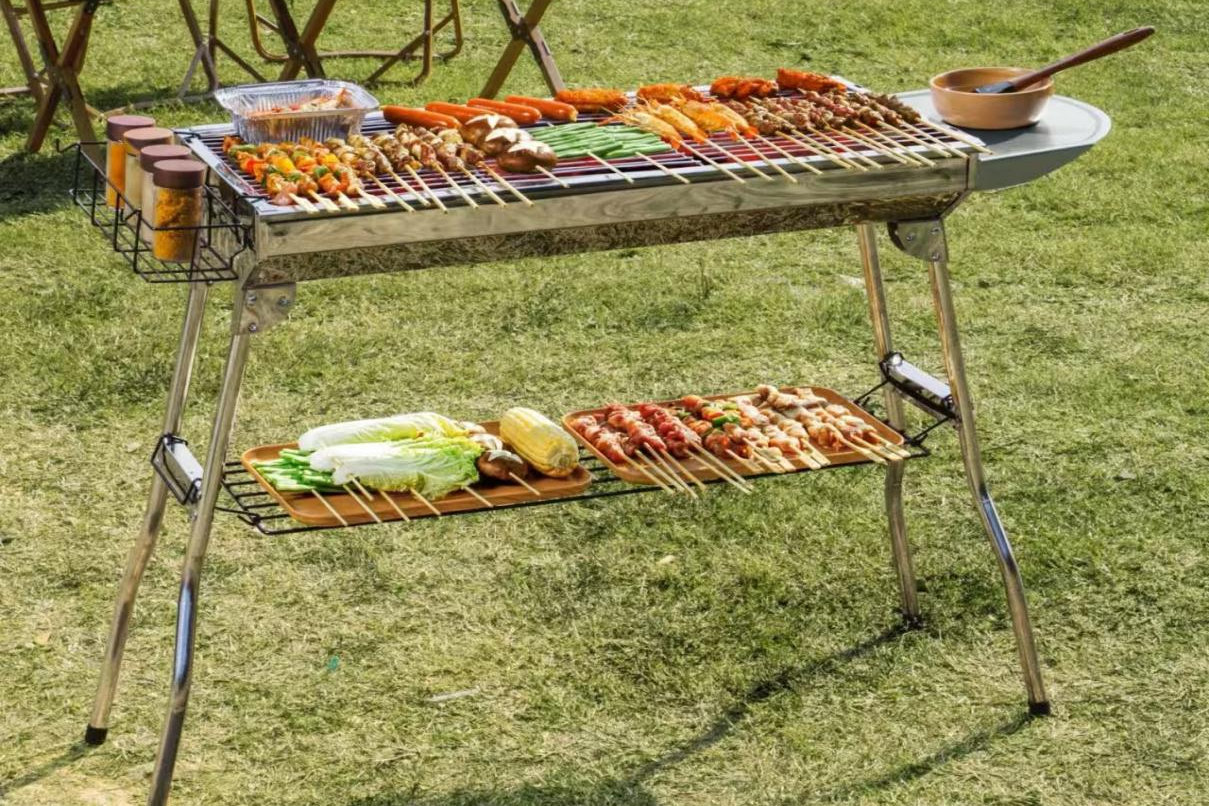
If you plan to move the grill around or store it after use, check its weight, handles, and wheels. Portable grills are easier to transport, while larger grills may require permanent outdoor space. Make sure storage options suit your lifestyle.
8. Cleaning and Maintenance
A grill that’s difficult to clean can reduce cooking performance. Look for removable grates, drip trays, and accessible burners. Easy cleaning helps maintain even heating and prolongs the grill’s life.
9. Additional Features
Modern grills may offer side burners, warming racks, built-in thermometers, or rotisserie attachments. While not essential, extra features can enhance your outdoor cooking experience. Decide which features are worth the investment for your needs.
10. Price and Manufacturer Reputation
Finally, consider the price in relation to build quality and features. Trusted manufacturers often provide better quality control and after-sales service. Choosing a reputable China manufacturer or supplier ensures you get a grill that lasts longer and meets safety standards.
Choosing the right barbecue grill requires careful consideration of type, size, heat distribution, material, and extra features. Checking these ten aspects helps prevent common mistakes and ensures your grill performs well for years. Combining this with good maintenance and proper use will make outdoor cooking enjoyable, efficient, and safe.
Recent Posts
Contact US
Product Information
Quantity
Unit
Piece
Support order samples, customization, wholesale direct, and complete payment. If the product you look for does not have corresponding customized content, pls fill out the form below to contact us, and we will reply ASAP.