

Why Does My Barbecue Grill Keep Heating Unevenly? Common Causes and Fixes
2025-12-03
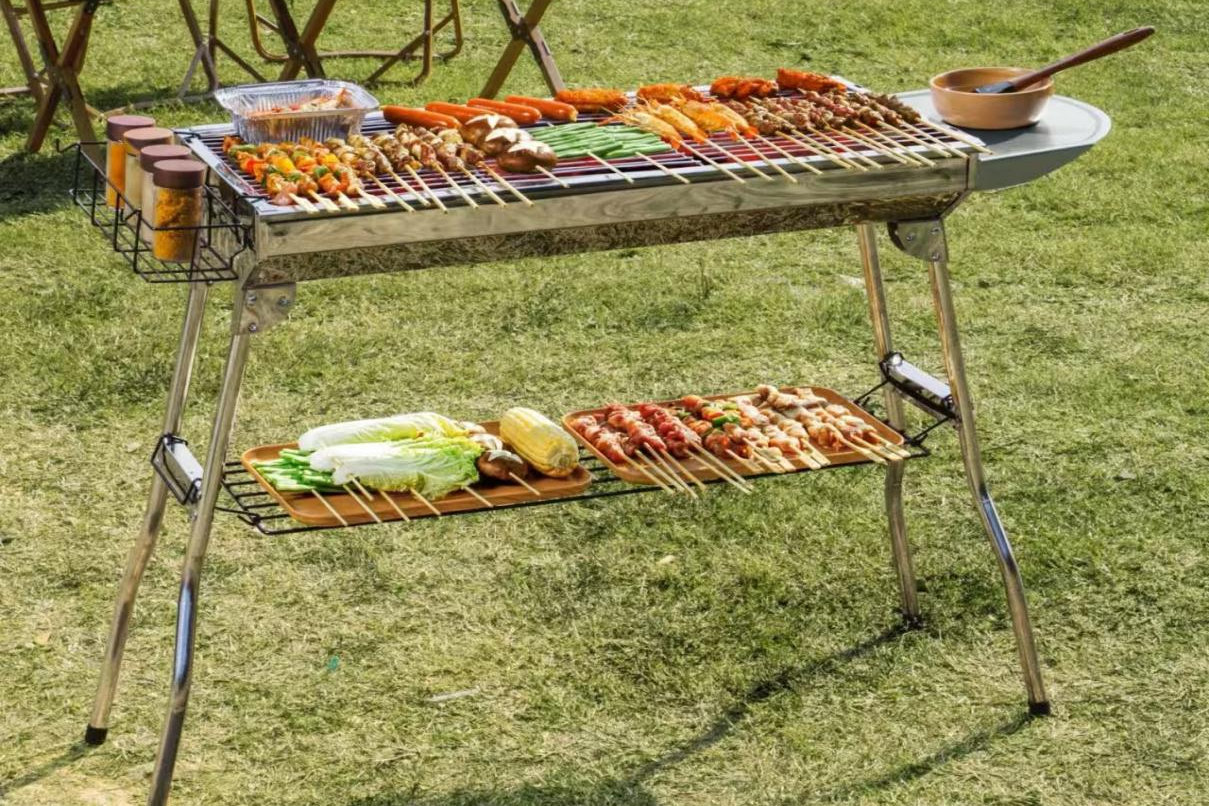
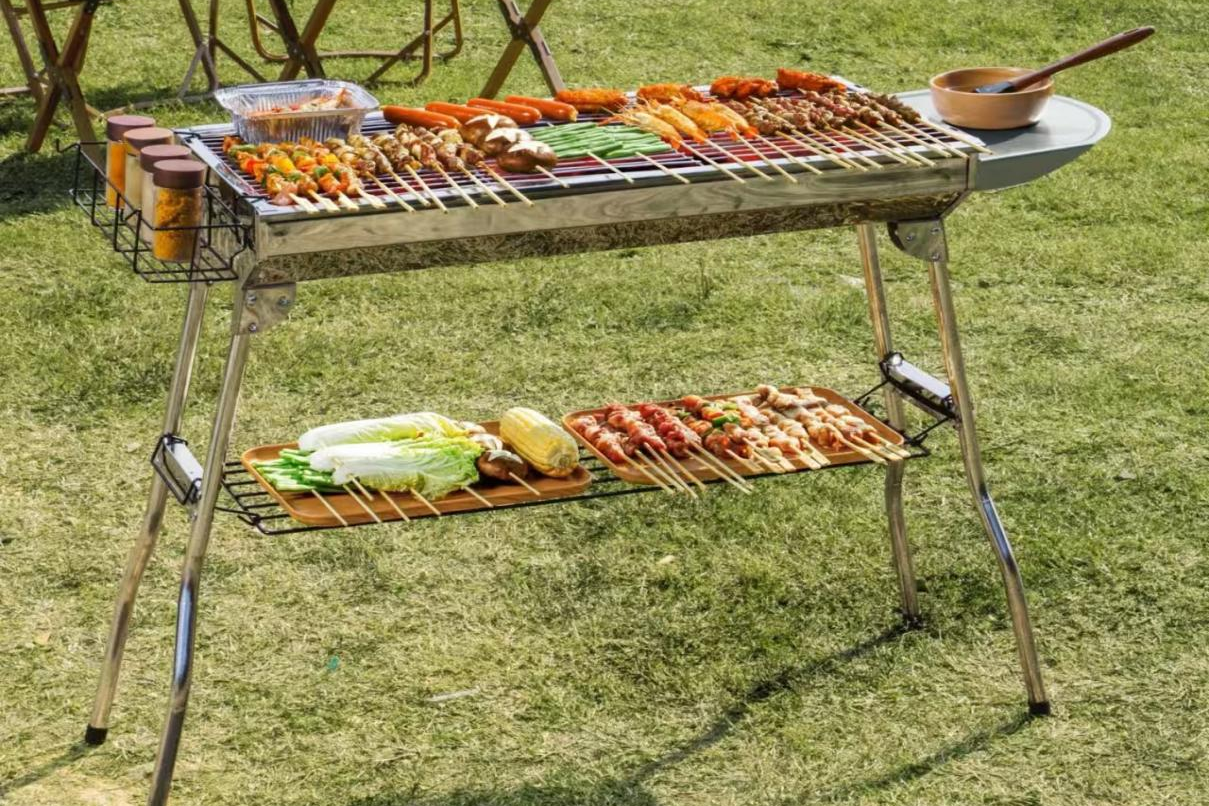
Outdoor grilling is a great way to enjoy food with friends and family. Yet many people — even experienced grillers — often struggle with a frequent problem: their barbecue grill doesn’t heat evenly. Some areas of the grate become scorching hot while others barely reach cooking temperature. This affects cooking results, safety, and the overall enjoyment of grilling. In this post, we explore the main reasons behind uneven grill heating and suggest practical solutions.
1. Burner or Heat Source Issues
One of the primary reasons for uneven heating is related to the grill’s burner (for gas grills) or how charcoal/fire is arranged (for charcoal grills). Over time, burner ports may become clogged with grease, debris, or rust — obstructing gas flow and causing irregular flame distribution.
In gas grills, a faulty or worn-out regulator or gas hose can also contribute to uneven pressure, which leads to inconsistent flame outputs across burners.
✅ Fix Tip: Clean burner ports and inspect hoses and regulator periodically. For charcoal grills, spread the coals evenly and check airflow — avoid piles that are too dense on one side.
2. Grill Grate and Material Properties
The material and thickness of the cooking grate have a big impact on heat distribution and retention. Thin or low-quality grates tend to cool down quickly, creating hot spots directly over the flame but leaving other areas under-heated. Heavy-duty grates (e.g. cast iron or thick steel) heat more evenly and retain heat better — giving more uniform cooking.
If the grate is warped or damaged from long-term use, that can also lead to zones of uneven contact and thus uneven cooking.
3. Dirt, Grease, and Residue Buildup
A dirty grill greatly reduces performance. Grease, carbon buildup, and food residue can block burner holes (in gas grills) or restrict airflow (in charcoal ones), impeding heat circulation. That means flame becomes weak in some zones and heavy in others, resulting in uneven cooking.
Regular cleaning of grates, burner ports, firebox, and grease trays is essential for consistent grill performance.
4. External Environment — Wind, Temperature, and Airflow
Outdoor grilling means exposure to the elements. Wind, cold air, or uneven airflow can cool one side of the grill, disturb flame, or create hot/cold zones. Even a strong breeze can drastically affect burner stability and heat distribution.
Also, if the grill is placed on uneven ground or an unstable surface, that may affect how heat distributes across the cooking grate.
✅ Fix Tip: Try to position the grill in a sheltered area or use windbreaks. Ensure the grill sits on a flat, stable surface.
5. Grill Size and Heat Source Mismatch
Large grill surfaces sometimes exceed what the heat source can uniformly support. If you have a big cooking grate but a small burner (gas) or a small amount of charcoal (charcoal grill), outer zones may never get enough heat. Many portable or entry-level grills fall into this mismatch category.
When choosing a grill — especially from a manufacturer — it’s important to evaluate whether the grill’s size, burner/heat power, and grate design match your cooking expectations.
6. Improper Pre-heating or Cooking Technique
Sometimes uneven heating isn’t about the grill — it’s about how we use it. Starting to cook before the grill is fully preheated, overcrowding the grate, or flipping food too often can result in uneven cooking.
A good practice is to preheat the grill for 10–15 minutes before cooking, give each side adequate time, and avoid overcrowding the cooking surface to allow heat circulation.
Actionable Checklist for Even Grilling
| ✅ Step | What to Do |
|---|---|
| Clean burners, grates, and firebox regularly | Remove grease, rust, residue |
| Inspect burner, hose, regulator (gas grills) | Ensure gas flow and pressure are stable |
| Check grate condition and consider upgrading heavy-duty grates | Improve heat retention and distribution |
| Arrange charcoal or burners evenly | Avoid hot or cold zones |
| Preheat grill thoroughly before cooking | Stabilize temperature across the grate |
| Position grill in sheltered, stable area | Minimize wind and environmental impact |
| Avoid overcrowding food and allow airflow | Even cooking for all items |
Uneven heating on barbecue grills is a widespread issue — but in most cases, it’s avoidable. By paying attention to grill maintenance, material quality, setup, and cooking technique, you can achieve consistent heat and vastly improve your grilling results.
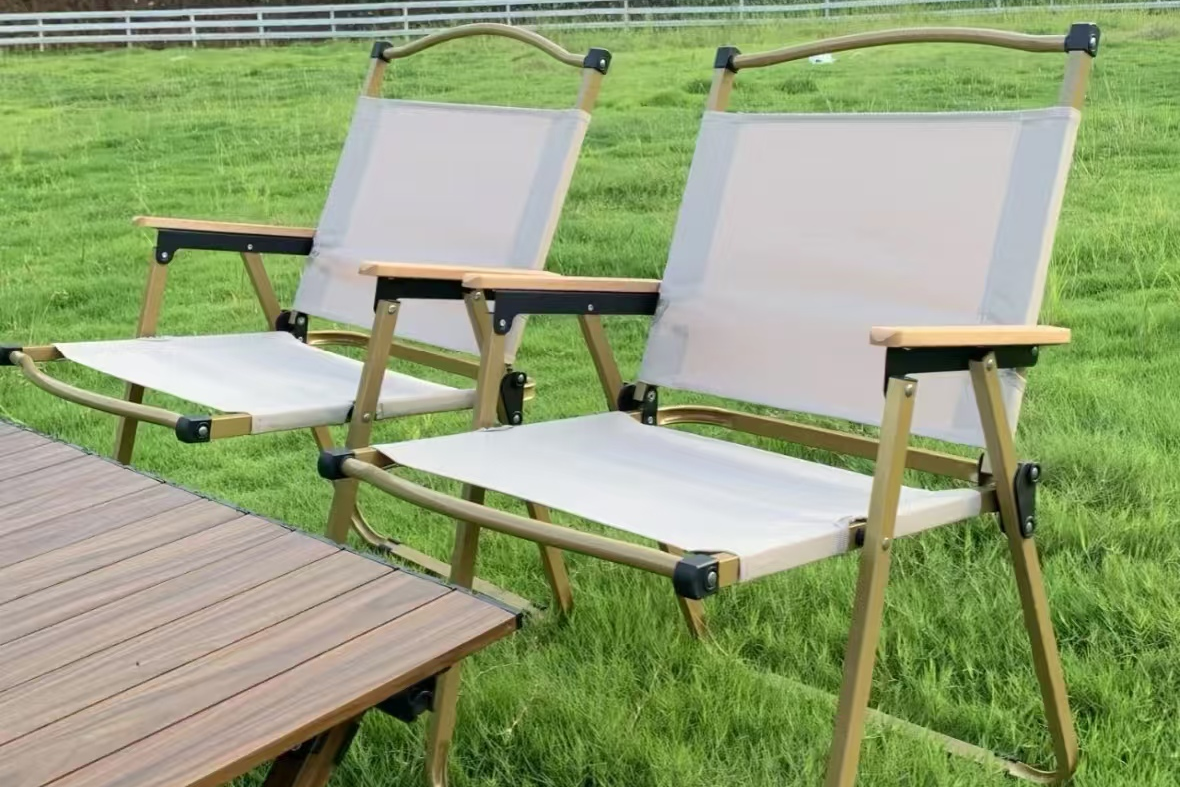
For anyone using outdoor gear from a full product line (tents, canopies, folding chairs, grills), it’s worth selecting high-quality, well-designed grills — because performance and durability make a big difference in user satisfaction.
Recent Posts
Contact US
Product Information
Quantity
Unit
Piece
Support order samples, customization, wholesale direct, and complete payment. If the product you look for does not have corresponding customized content, pls fill out the form below to contact us, and we will reply ASAP.