
Can a Galvanized Steel Planting Box Really Last 10+ Years Outdoors?
2026-05-30
When you invest in outdoor landscaping, the last thing you want is for your beautiful planting boxes to rust, warp, or fade after a single season. Many gardeners opt for wood for its natural look, only to face rot and insect damage. Others try cheap plastic planters that become brittle and discolored under the sun. This leads to a critical question for homeowners and commercial landscapers: can a galvanized and powder-coated steel planting box genuinely withstand years of harsh weather, or is it just another marketing promise? Let’s dig into the engineering to see if it’s the durable, low-maintenance solution it claims to be.
The Core Technology: Why Steel and Coating Matter
The longevity of a metal planting box isn’t just about the base material; it’s about the protective barriers built into its surface. Understanding this process explains why it outperforms untreated alternatives.
- Hot-Dip Galvanizing Defense: The steel core undergoes a galvanizing process, where it’s coated in a layer of zinc. This isn’t just a surface paint; it creates a metallurgical bond. Even if the surface gets a minor scratch, the zinc sacrificially protects the underlying steel, preventing rust from spreading. This is crucial for planters constantly exposed to moist soil.
- Powder Coating Durability: On top of the zinc layer, a polyester or epoxy powder is electrostatically applied and baked on. Unlike liquid paint, this creates a thick, uniform “skin” that is highly resistant to chipping, scratching, and UV fading. This dual-layer system (zinc + powder coat) is what gives commercial-grade planters their legendary lifespan.
The Practical Benefits Beyond Just Looking Good
Choosing a heavy-duty galvanized planting box isn’t just about durability; it’s about practical gardening advantages that save time and money.
1. True Weather and Corrosion Resistance
For outdoor use, standard planters often fail. A galvanized steel box, however, is built for the elements.
- Moisture Management: It can handle constant contact with wet soil and frequent watering without the bottom rotting out or developing rust holes.
- UV Stability: The powder-coated finish reflects UV rays, meaning the color won’t fade significantly over many seasons, unlike plastic or wood that can turn gray or brittle.
2. Low-Maintenance Gardening
This is a major win for busy homeowners and commercial properties.
- Easy Cleaning: The smooth, non-porous surface can be hosed down or wiped clean in seconds. There’s no need for annual sanding and staining like with wood planters.
- No Rot or Pests: Unlike wood, steel is impervious to termites, ants, and fungal decay. You’ll never have to replace a planter because the bottom fell out from rot.
3. Structural Integrity and Safety
- Sturdy Construction: These boxes are rigid and won’t bulge or warp when filled with heavy soil, a common issue with large plastic planters.
- Safe for Edibles: High-quality powder coatings are typically non-toxic and safe for growing vegetables and herbs, providing peace of mind for edible gardens.
Where It Makes the Most Sense: Ideal Applications
The galvanized steel planter isn’t a one-size-fits-all solution, but it excels in specific scenarios:
- Commercial Landscaping (Hotels, Offices, Malls): Where durability and low upkeep are paramount. They can withstand accidental bumps from landscaping equipment and require minimal maintenance staff time.
- High-Use Public Spaces (Parks, Sidewalks): Their resistance to vandalism and harsh weather makes them ideal for municipal projects where longevity is critical.
- Coastal or Humid Climates: The enhanced corrosion resistance is a game-changer in salty air environments where other materials deteriorate rapidly.
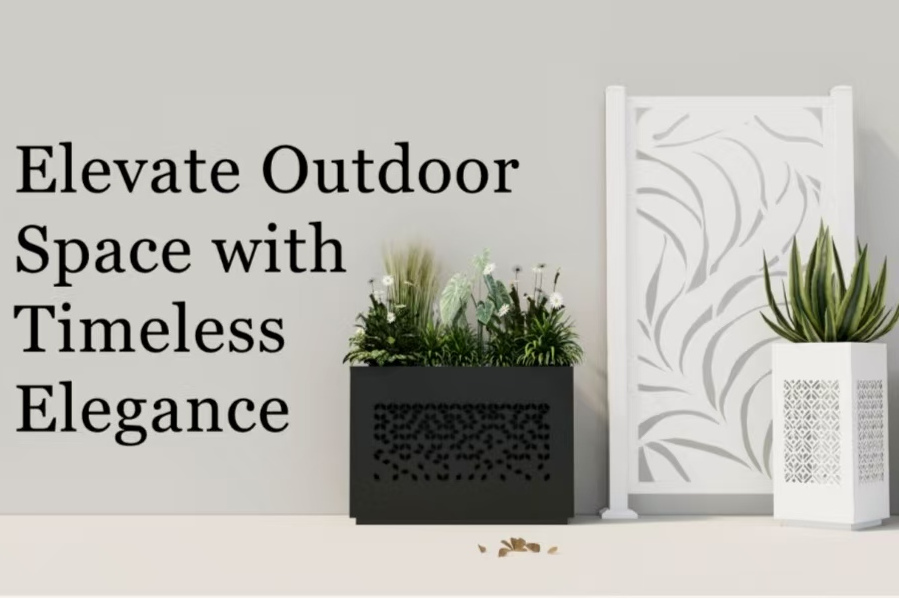
- Modern and Industrial Decor: The clean lines and metallic finish fit perfectly with contemporary architectural styles, rooftop gardens, and patio designs.
The Limitations: When to Consider Other Options
While durable, a steel planting box has a few considerations:
- Heat Absorption: Dark-colored steel planters in full sun can heat up significantly, potentially stressing some plant roots. Lighter colors or placing them in partial shade can mitigate this.
- Weight: Once filled with soil, they are very heavy and difficult to move. They are best suited for permanent or semi-permanent placements.
- Cost: The initial investment is higher than a basic plastic or wood planter, but the total cost of ownership over 10+ years is often lower due to zero replacement costs.
The Verdict: A Smart Long-Term Investment
So, can a galvanized and powder-coated steel planting box last over a decade? The evidence points to yes. For anyone tired of replacing rotting wood or faded plastic planters every few years, this is a definitive solution. The combination of galvanized steel for rust prevention and a baked-on powder coat for scratch resistance creates a planter that is as functional as it is stylish. If your priority is set-and-forget durability for your outdoor space, this is the planter you’ve been looking for.
Recent Posts
Contact US
Product Information
Quantity
Unit
Piece
Support order samples, customization, wholesale direct, and complete payment. If the product you look for does not have corresponding customized content, pls fill out the form below to contact us, and we will reply ASAP.