


Can a Modern Heating Stove Truly Replace Your Central Heating System?
2026-05-30
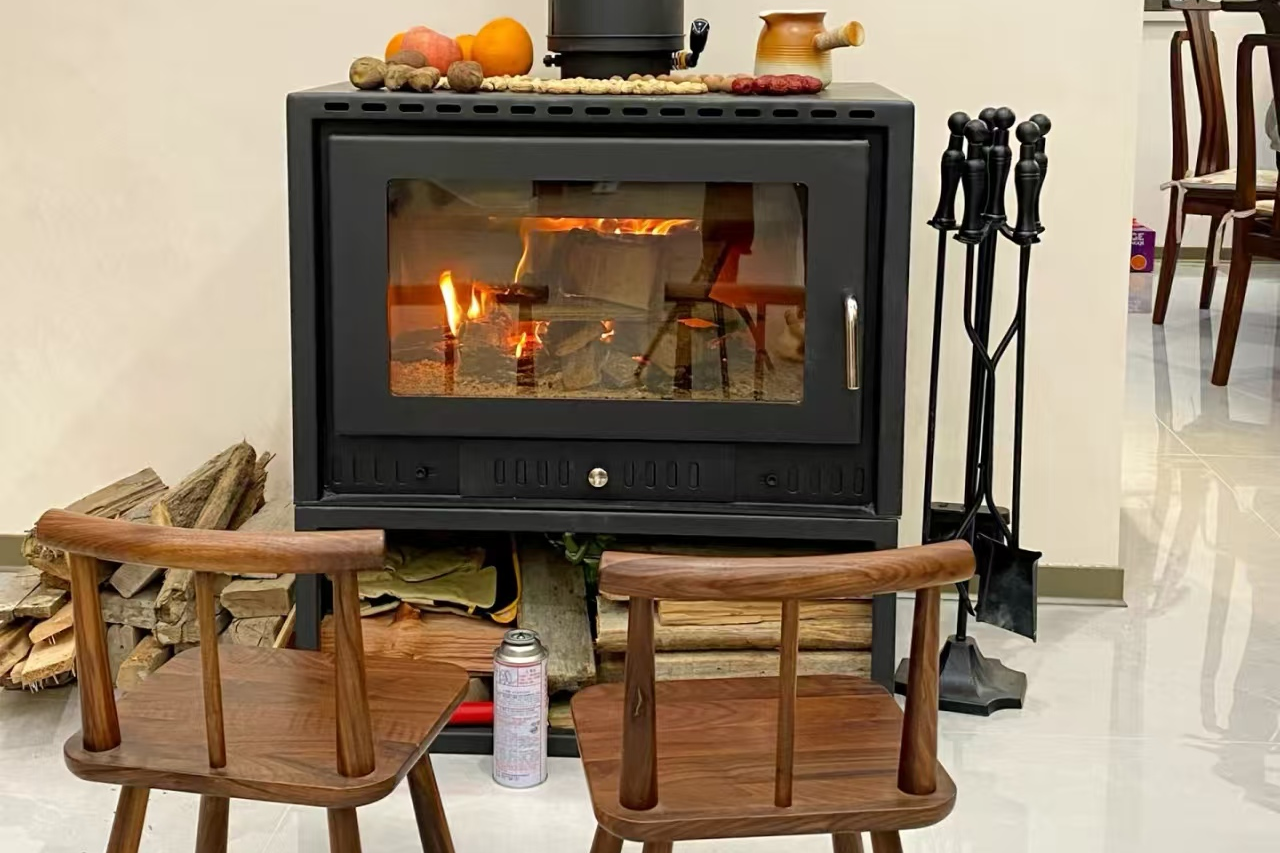
As energy costs fluctuate and homeowners seek more atmospheric, controllable warmth, the traditional heating stove is making a powerful comeback. But today’s models are a world away from the old cast-iron boxes of the past. The modern Heating Stove with 3D flame effect is engineered not just for raw heat, but for smart efficiency and ambiance. This raises a critical question for homeowners: can a single appliance realistically shoulder the burden of whole-home heating, or is it destined to be just a cozy supplemental heater?
Beyond the Fireplace: The Technology Inside a Modern Heating Stove
Gone are the days of simple wood-burning boxes. Contemporary indoor heating stoves integrate advanced technology to maximize comfort and minimize hassle. Understanding these components is key to seeing their potential.
- PTC Ceramic Heating Elements: Instead of relying solely on combustion, many modern stoves utilize PTC (Positive Temperature Coefficient) ceramic heating. This technology allows the unit to heat up in seconds, providing instant warmth without the wait for wood to catch or a firebox to radiate.
- Intelligent Temperature Control: A built-in chip monitors the ambient temperature in real-time. Once the room reaches your preset level (e.g., 22°C), the stove automatically switches to a low-power mode. This prevents overheating and saves significant energy compared to a constantly running furnace.
- Simulated 3D Flame Technology: This is the game-changer for ambiance. Using LED lighting and reflective panels, the stove projects a high-simulation 3D flame effect onto a "Flame Mountain" backdrop. It mimics the flicker and depth of real burning charcoal, delivering the psychological comfort of a fire without the particulate emissions or cleanup.
The Core Benefits: Why Homeowners Are Switching
Opting for a modern electric heating stove addresses several pain points associated with both central heating and traditional fireplaces.
1. Zoned Heating for Maximum Efficiency
Central heating systems often heat unused rooms, wasting energy. A heating stove allows for zoned heating. You can warm the living room or study—where you spend most of your evening—without paying to heat the entire house. This targeted approach can drastically reduce your monthly utility bills.
2. A Safer, Cleaner Experience
Unlike wood stoves that require chimney sweeping and pose burn risks, modern units are designed for indoor safety.
- Anti-Scald Body: The exterior remains cool to the touch, making it safe for homes with children or pets.
- Flame-Retardant Materials: The construction uses high-grade, fire-resistant materials for peace of mind.
- No Emissions: Electric models produce zero indoor smoke or carbon monoxide, eliminating the need for ventilation and keeping indoor air quality high.
3. Flexible Control and Installation
Modern stoves are incredibly user-friendly.
- Triple Control Methods: Operate the stove via a traditional manual knob, a convenient remote control from your sofa, or even voice commands integrated with a smart home system.
- Easy Setup: There’s no need for complex ductwork, gas lines, or chimney installation. Simply place the unit near a standard power outlet, and it’s ready to go.
Practical Scenarios: Where a Heating Stove Excels
While it may not replace central heating in every situation, the heating stove for villa and homestay applications is unmatched.
- The Open-Plan Living Area: In a large living room or great room, the stove acts as a powerful focal point. Its 1800W high-setting output can quickly raise the temperature of a sizable space, while the 3D flame effect adds a layer of sophisticated warmth that a vent register cannot.
- Bedroom Comfort: For those who dislike a cold bedroom, placing a low-noise heating stove in the master suite provides gentle, consistent warmth throughout the night without the dryness often associated with forced-air systems.
- Vacation Rentals and B&Bs: For hosts, the visual appeal of a "wood-burning" stove (without the guest hassle of actually building a fire) is a major selling point. It creates an instant "hygge" atmosphere that guests love, encouraging longer stays and positive reviews.
Limitations and Considerations
To provide a balanced view, it’s important to acknowledge when a heating stove might not be the primary solution:
- Whole-Home Replacement: While excellent for large, open spaces, a single stove may struggle to heat a multi-story home with closed-off bedrooms effectively. In such cases, it works best as a powerful supplement to an existing system.
- Power Dependency: As an electric appliance, its operation relies entirely on your home’s electrical grid. During a power outage, it will not function unless paired with a backup power source.
- Moisture Removal: Unlike a wood stove that can slightly dry the air, electric heaters don't add humidity. In very dry climates, you may still need a humidifier for optimal comfort.


Recent Posts

Contact US
Product Information
Quantity
Unit
Piece
Support order samples, customization, wholesale direct, and complete payment. If the product you look for does not have corresponding customized content, pls fill out the form below to contact us, and we will reply ASAP.